


Page 36 - Griffin Gazette - July 2025
P. 36
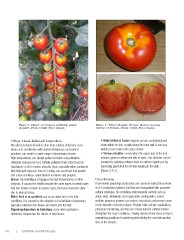
Figure 2. Cluster of tomatoes exhibiting yellow                          Figure 3. Yellow Shoulder Tomato. Bottom showing
shoulder. Photo Credit: Steve Bogash                                     interior of Tomato. Photo Credit: Steve Bogash

Other Heat-Related Disorders                                                 • White internal tissue appears as firm, underdeveloped
Not all heat-related disorders stem from calcium deficiency. Heat            areas within the fruit, usually along the outer wall. It can vary
alone, or in combination with nutrient imbalances and cultural               widely across fruits in the same cluster.
practices, can result in a wide range of physiological issues.               • Yellow shoulder occurs when the upper part of the fruit
High temperatures can disrupt pollen formation and pollination,              remains green or yellow and fails to ripen. This disorder can be
ultimately reducing fruit set. Partially pollinated fruits often become      avoided by selecting cultivars bred for uniform ripening or by
misshapen or fail to mature properly. Heat, especially when combined         harvesting green fruit for off-vine ripening in the dark
with high light exposure from de-leafing, can accelerate fruit growth        (Figure 2 & 3).
and cause cracking—particularly in tomatoes and peppers.
Brown rib in lettuce is triggered by high temperatures or other          Conclusion
stressors. It causes the midrib beneath the outer leaves to break down   Heat-related physiological disorders are common during the summer
and turn brown or black. In severe cases, the tissue becomes slimy       in CEA production systems, but they are manageable with proactive
due to internal decay.                                                   cultural strategies. By combining environmental controls such as
Bitter fruit in cucumbers can occur under hot or dry field               shade cloth, whitewash, and evaporative cooling with a sound
conditions. It is caused by the migration of cucurbitacin compounds,     nutrition program, growers can reduce crop stress and prevent many
typically confined to the leaves and stems, into the fruit.              of the disorders described above. Regular foliar calcium applications,
Ripening disorders in tomatoes occur when potassium                      potassium monitoring, and the use of heat-tolerant cultivars further
deficiency compounds the effects of heat stress.                         strengthen the crop’s resilience. Staying ahead of heat stress is key to
                                                                         maintaining quality and maximizing yield during the most demanding
                                                                         time of the season.

3 6 | GRIFFIN GAZETTE 2025

