


Page 39 - Griffin Gazette - July 2025
P. 39
Biopesticides are no longer tools only for organic growers. Most biorational pesticides are great additions to a traditional
IPM program. Because they are effective and employ different modes of action, biopesticides can be effective tools for
any grower. However, most have special considerations for application. Understanding these issues and how they apply
to different application methods can improve the efficacy of these products and prevent some messes along the way.

Dramm offers over 50 different pieces of equipment to apply pesticides. Each method has strengths and weaknesses.
Choosing the right sprayer for any job depends greatly on minimizing the impacts of those weaknesses, while playing
to the strengths. The Griffin and Dramm teams are great at helping growers align their needs with different equipment.
For any pesticide application, coverage is extremely important. This is no different when applying biocontrol products,
however, there are some special considerations that might apply less with standard pesticides.

When applying biorational pesticides, there are four main areas of concern that may affect the product. Pressure,
filtration, solution-volume/concentration, and the temperature of the equipment may all impact the application and
efficacy. For instance, hydraulic sprayers may build pressure to a level that damages some biocontrol agents. Most
spray equipment utilizes filtration to protect nozzles and pumps that might filter out larger biopesticide components.
Solution volumes may present an issue when the equipment requires more concentrated solutions, as many bio-
products have solubility limits that might exceed the ability of the water to dissolve the products at concentrated rates.
Finally, the temperature of the equipment may damage some products, reducing their viability and efficacy.

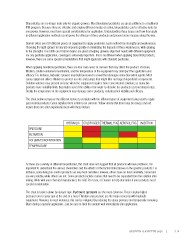
The chart below compares the different factors to consider with the different types of equipment being used to apply
pest control products. Green signifies there is little to no concern. Yellow means that there may be issues, and red
means there are often significant issues with these factors.

                      HYDRAULIC COLDFOGGER THERMAL FOG AEROSOL FOG INJECTION

PRESSURE
FILTRATION
VOLUME/CONCENTRATION
TEMPERATURE

As there are a variety of different biopesticides, this chart does not suggest that all products will have problems. It is
important to understand the various chemistries and the effects of the factors listed above on the specific products. For
instance, some living bio-control products are very heat-sensitive. However, others have no heat-sensitivity. Some bios
are very soluble, while others are not. Some products include carriers that need to be separated from the solution after
mixing. Work with your chemical manufacturer, the GGS Pro team, or Dramm to help determine if your products need
special consideration.

The chart is broken down by sprayer type. Hydraulic sprayers are the most common. These employ higher
pressures and a spray gun at the end of a hose. Filtration and pressure are the major concerns with hydraulic
equipment. However, in most instances, this can be mitigated by reducing the spray pressure and temporarily removing
filters during a specific application. Just be sure to flush the system well immediately after application.

                      GRIFFIN GAZETTE 2025 |                                                                                  39

