


Page 17 - Griffin Gazette - March 2026
P. 17
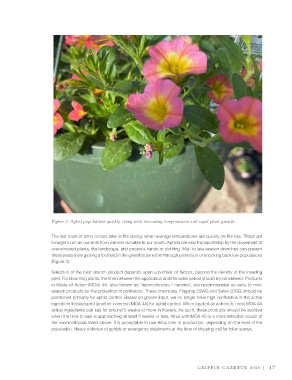
Figure 3: Aphid populations quickly rising with increasing temperatures and rapid plant growth.


                      The last route of entry occurs later in the spring, when average temperatures are quickly on the rise. Thrips are
                      brought in on air currents from warmer climates to our south. Aphids are also transported in by the movement of
                      overwintered plants, the landscape, and people’s hands or clothing. Mid- to late-season drenches can prevent
                      these pests from getting a foothold in the greenhouse either through protection or knocking back low populations
                      (Figure 3).

                      Selection of the best drench product depends upon a number of factors, beyond the identity of the invading
                      pest. For blooming plants, the time between the application and the sales period should be considered. Products
                      in Mode of Action (MOA) 4A, also known as “neonicotinoids / neonics”, are recommended as early to mid-
                      season products for the protection of pollinators. These chemicals, Flagship 25WG and Safari 20SG, should be
                      positioned primarily for aphid control. Based on grower input, we no longer have high confidence in the active
                      ingredient Imidacloprid (another common MOA 4A) for aphid control. When applied as a drench, most MOA 4A
                      active ingredients can last for around 5 weeks or more in flowers. As such, these products should be avoided
                      when the time to sale is approaching at least 5 weeks or less. Altus with MOA 4D is a more selective cousin of
                      the neonicotinoids listed above. It is acceptable to use Altus later in production, depending on the level of the
                      population. Heavy colonies of aphids or emergency treatments at the time of shipping call for foliar sprays.


                                                                                   GRIFFIN   GAZETTE  20 26 |   17

