


Page 22 - Griffin Gazette - March 2026
P. 22
surface, they can leave behind a visual film that collects dirt
          later and makes the next cleanup harder.

          One sanitation area that gets overlooked in indoor farming is
          irrigation lines. A facility can look spotless on the outside but
          still struggle with plant inconsistency because the irrigation
          system is carrying problems. Over time, irrigation lines
          naturally build up biofilm. Biofilm is a slimy layer made mostly
          of bacteria that sticks to the inside of pipes and tubing
          (Figure 2). This sort of matrix can make it easier for algae   areas, or the FM20 Foamer can be used to treat
          and mineral scale to form and compound irrigation clogging   large spaces quickly. Sanitizers are not meant
          issues. In many cases, it is one of the real causes behind   to replace cleaning; they are meant to complete
          uneven watering and moisture management headaches          it. An innovative approach to irrigation line and
          that seem to “never go away.” That is why smart sanitation   reservoir maintenance is to outcompete biofilm and
          programs include irrigation line cleaning, especially between   algae-forming microbes with beneficial microbes.
          crop cycles. Using a line-cleaning treatment to break up   BioSafe’s Liventia SOS is new to the CEA world,
          biofilm, followed by proper flushing, helps reset the system   but it is quickly building major success stories as
          so the next crop starts with clean water delivery.         a non-oxidizing tool that  helps  keep hydroponic
                                                                     systems cleaner while also providing increased
                                                                     yields through plant stimulation.
                                                                     Many indoor growers also benefit from thinking
                                                                     beyond cleanup events and looking at water
                                                                     treatment strategies (e.g., Ozone, Chlorine, Cold
                                                                     Plasma, Hydrogen Peroxide/Peracetic Acid)
                                                                     that keep systems stable during production.
                                                                     Continuous treatment programs can help reduce
                                                                     biofilm growth, algae pressure, and slime buildup
                                                                     inside irrigation lines, reservoirs, and hard surfaces
                                                                     that come in contact with water/fertilizer. This is
                                                                     especially useful in long-cycle production systems
                                                                     or operations that fight recurring wet-zone issues
                                                                     around drains, floors, and irrigation manifolds. It
                                                                     is important to manage how and where sanitizing
                                                                     products  are  injected,  since  oxidizers  do  not
                                                                     always  play nicely  with fertilizer inputs. In  those
                                                                     cases, the location of injection points, use of
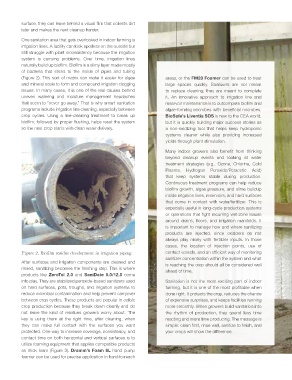
          Figure 2. Biofilm residue development in irrigation piping.   contact vessels, and an efficient way of monitoring
                                                                     sanitizer concentration within the system and what
          After surfaces and irrigation components are cleaned and
                                                                     is reaching the crop should all be considered well
          rinsed, sanitizing becomes the finishing step. This is where
                                                                     ahead of time.
          products like ZeroTol 2.0 and  SaniDate 5.0/12.0 come
          into play. They are stabilized peroxide-based sanitizers used   Sanitation is not the most exciting part of indoor
          on hard surfaces, pots, troughs, and irrigation systems to   farming, but it is one of the most profitable when
          reduce microbial contamination and help prevent carryover   done right. It protects the crop, reduces the chance
          between crop cycles. These products are popular in edible   of expensive surprises, and keeps facilities running
          crop production because they break down cleanly and do     more smoothly. When growers build sanitation into
          not  leave  the  kind  of  residues  growers  worry  about.  The   the rhythm of production, they spend less time
          key is using them at the right time, after cleaning, when   reacting and more time producing. The message is
          they can make full contact with the surfaces you want      simple: clean first, rinse well, sanitize to finish, and
          protected. One way to increase coverage, consistency, and   your crops will show the difference.
          contact time on both horizontal and vertical surfaces is to
          utilize foaming equipment that applies compatible products
          as thick foam (Figure 3). Dramm’s Foam 8L hand pump
          foamer can be used for precise application in hard-to-reach

