What do Lewis mites (Tetranychus lewisi) and whitefly (Bemisia tabaci and Trialeurodes vaporariorum) have in common, you ask? Well, for starters, they both are commonly found on poinsettias in the fall and can make a crop quickly unmarketable. They both reproduce on the underside of leaves, feed by their piercing and sucking mouthparts, and they require early detection for proper management.
On the contrary, there are also many important differences. For example, Lewis mites are arachnids, while whiteflies are classified as insects, placing them in entirely different taxonomic classes. Lewis mites can produce fine webbing, a telltale sign of their presence, whereas whiteflies do not. In contrast, whiteflies excrete honeydew, a sticky substance that encourages the growth of sooty mold on foliage. These distinctions are key when scouting and diagnosing pest issues in the greenhouse.
In 2024, Lewis mites plagued many growers across the nation, which was the first large outbreak the industry has seen in several years. Whiteflies remain a constant battle from year to year during poinsettia season.
Scouting Tips
Lewis mites will not be found on sticky cards, so it is essential to scout for early detection of eggs or mites. These mites like dryer climates (unlike whitefly), so can often be found in areas with high air movement. The symptoms of their feeding will appear on older leaves and can mimic nutritional deficiency, appearing as faint speckling with light hues (Figure 1). The goal is to find them before the webbing starts, as that indicates a hefty population. They can often be spotted on the underside of leaves but will require magnification to be seen more easily (Figure 2). A “beat test” may facilitate their discovery – one can dislodge the pests by smacking the plant over a white sheet of paper, and the mites will appear like moving pepper flakes.
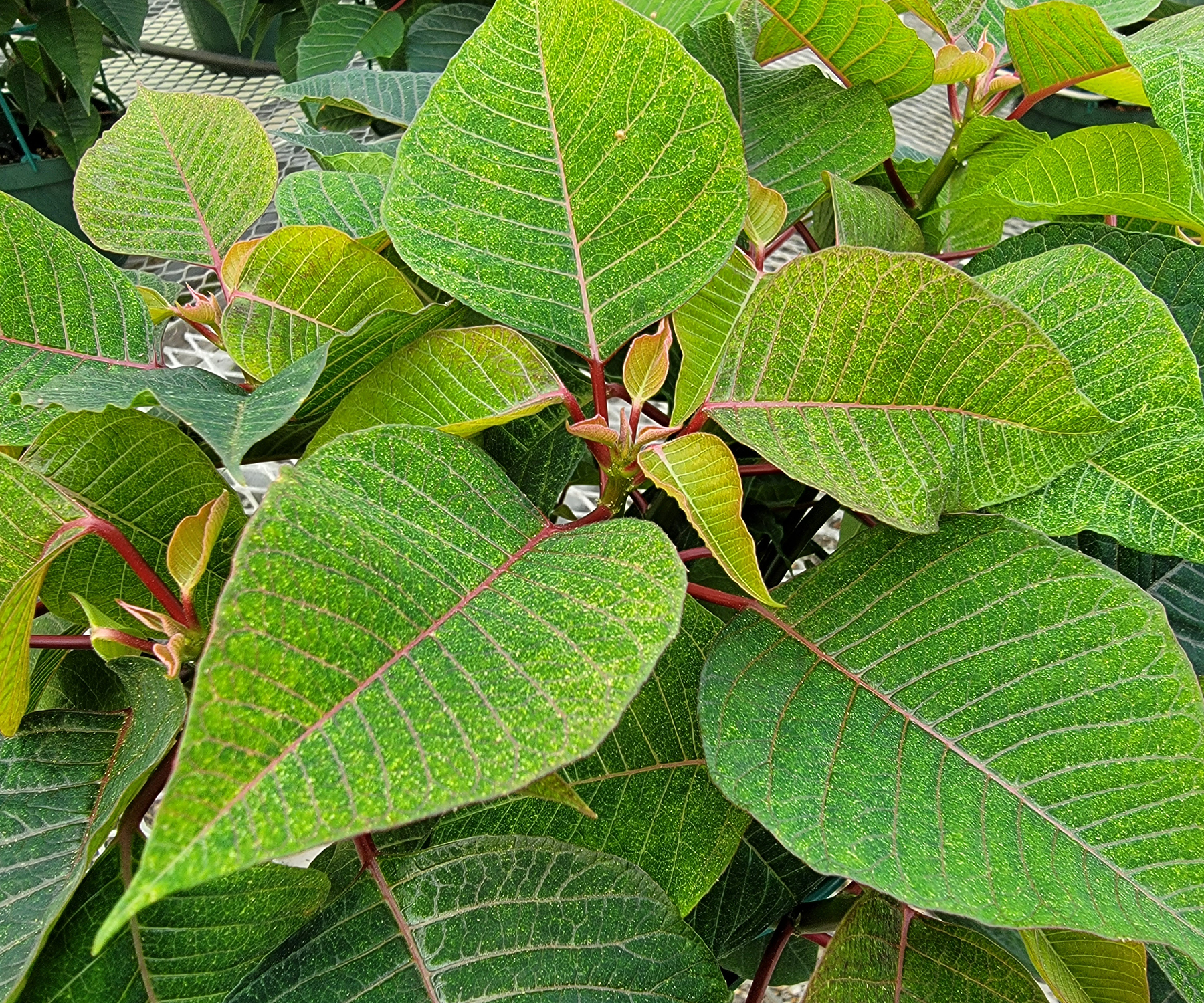
Figure 1: Lewis mite damage can resemble nutrient deficiencies.
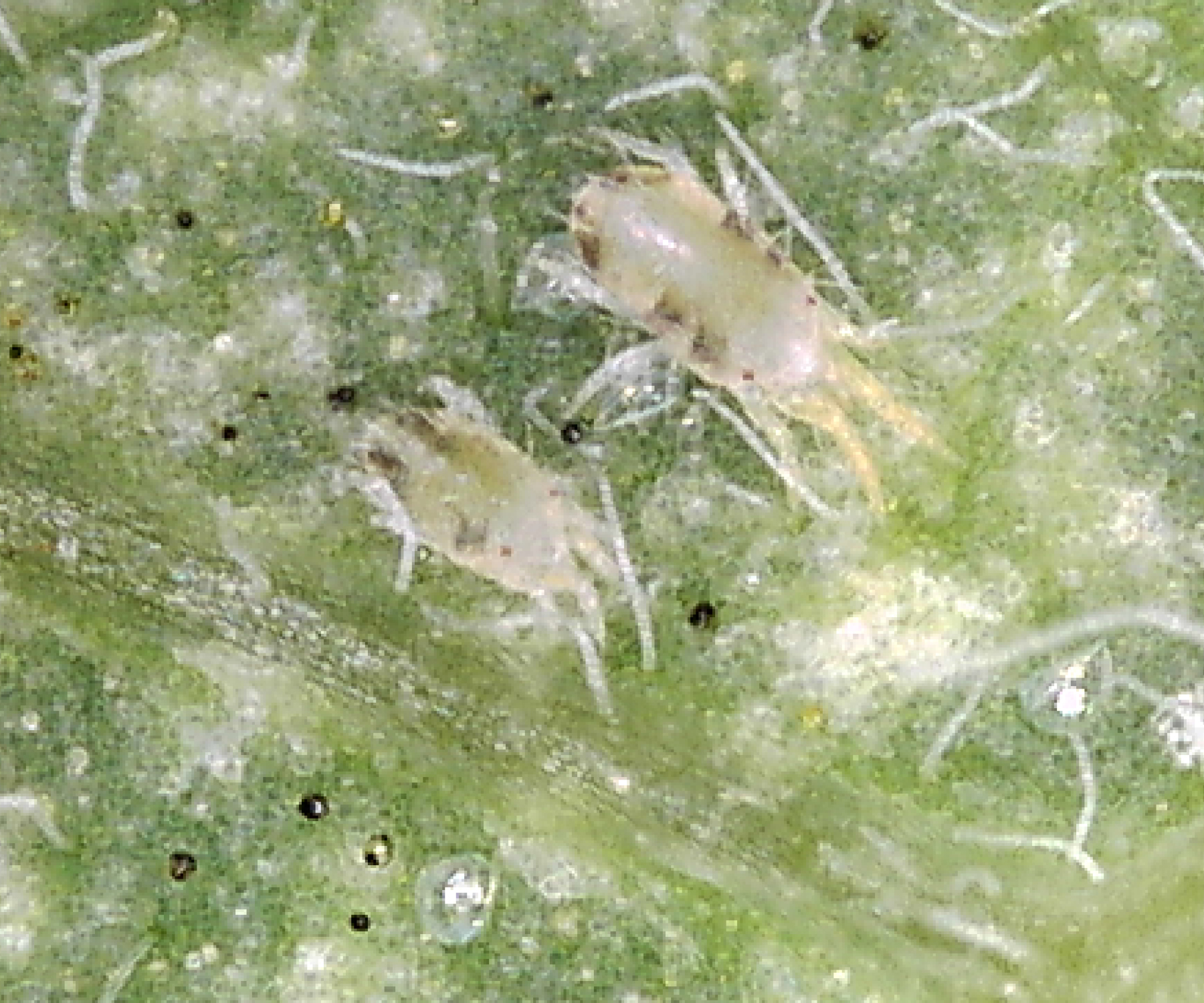
Figure 2: Lewis mites seen under magnification.
Several species of whiteflies are found in the greenhouse, including greenhouse whitefly, silverleaf whitefly (aka: sweet potato whitefly), and banded-winged whitefly. Of these species, the silverleaf whitefly (Bemisia) is most difficult to control due to resistance to insecticides (Figure 3). All stages of whitefly feed on plant sap, using their piercing-sucking mouthparts. Infested leaves can wilt, turn yellow and drop, reducing plant vigor.
Whiteflies belong to the order Hemiptera. Adult whiteflies are approximately 1/16” long and have four wings. They derive their name from the mealy, white wax covering over the adult’s wings and body. The four immature stages (eggs, crawlers, scales, and pupae) are all yellowish to amber in color and are found on the undersides of leaves (Figure 4). Depending on the temperature, the whitefly life cycle can take about 30+ days.
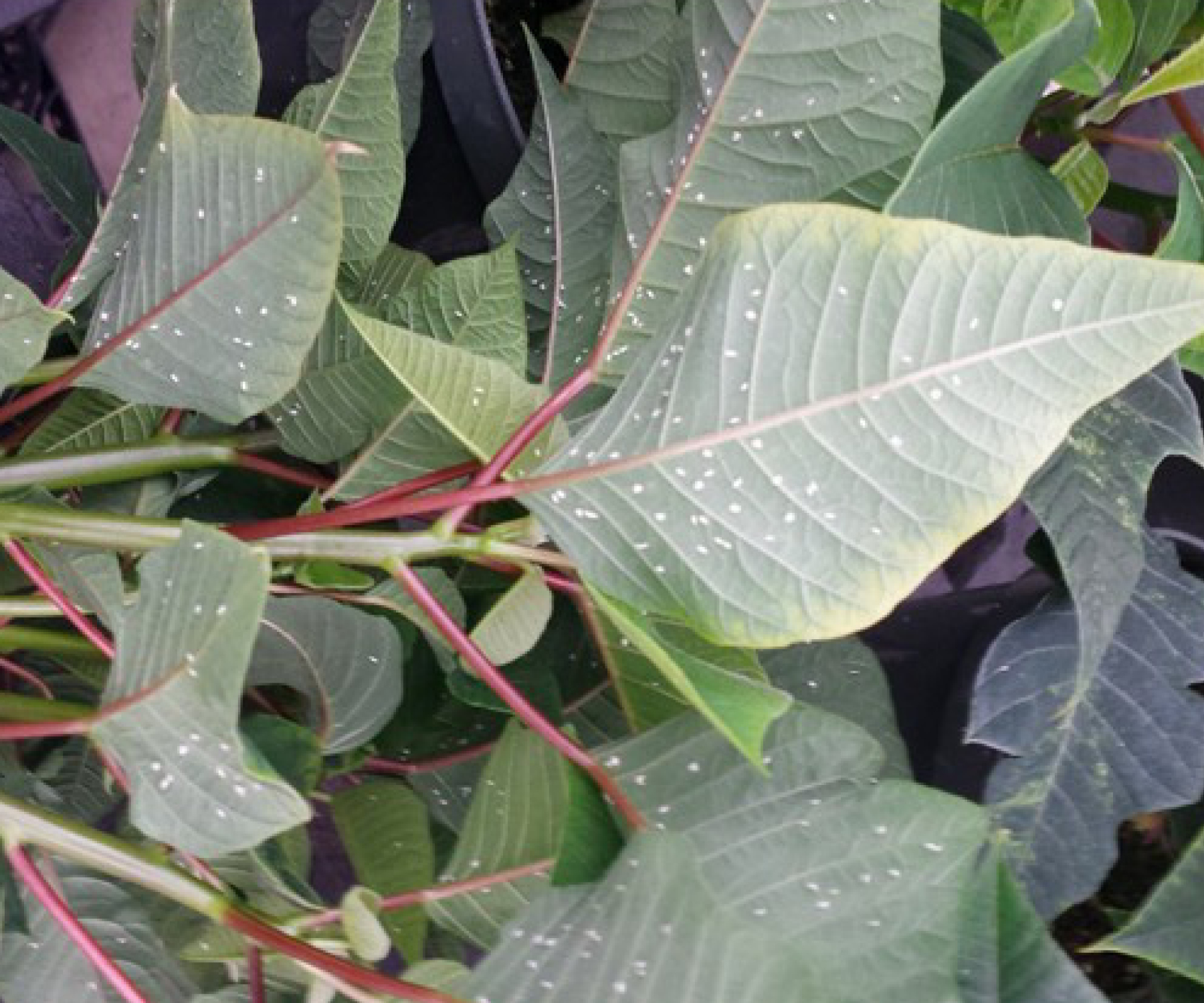
Figure 3: When heavily infested plants are disturbed, whitefly adults fly off the plant and move as a group.
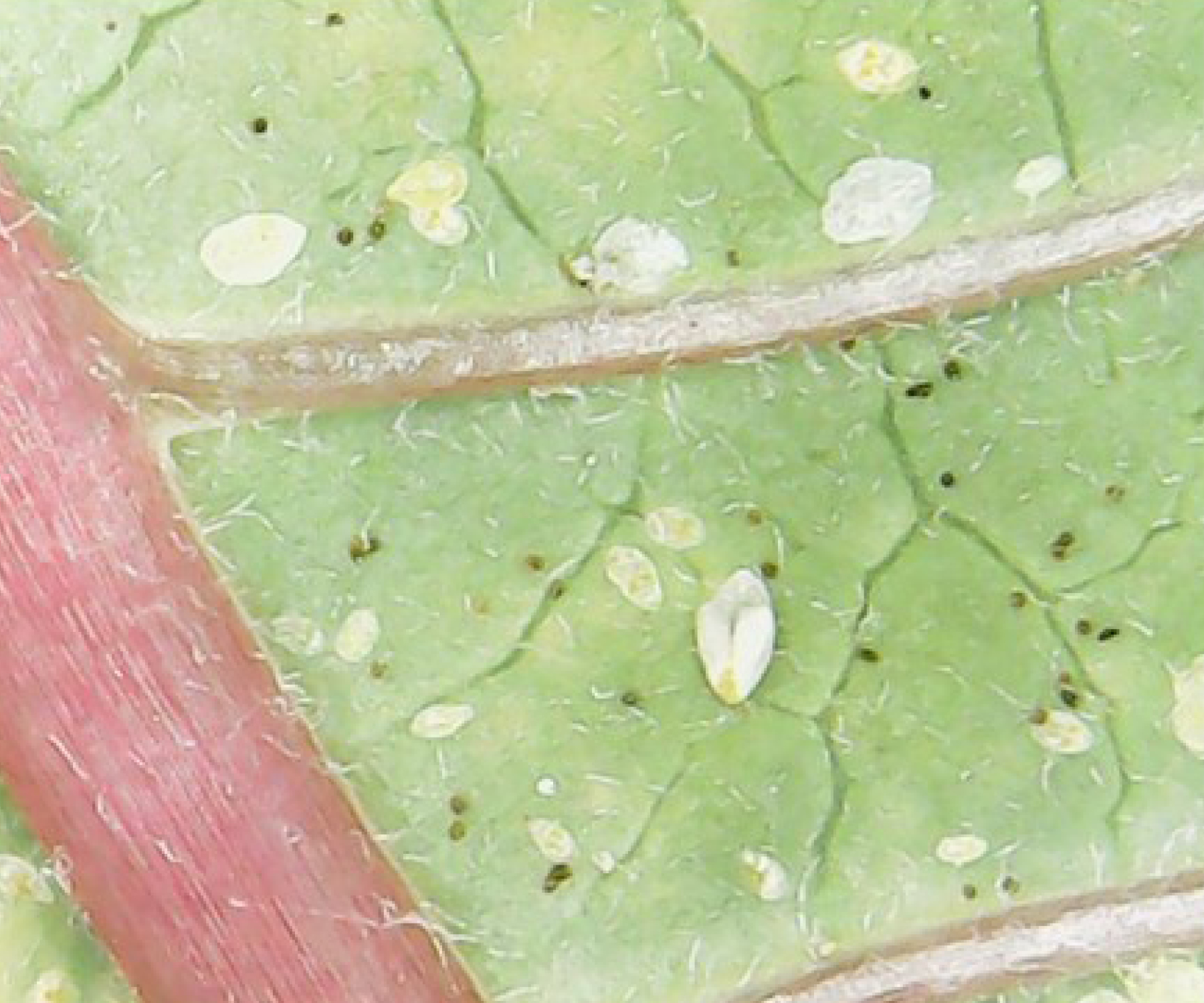
Figure 4: Silverleaf whitefly emerging adults, pupae, & eggs.
Control Strategies
Preventative treatment is key to controlling these troublesome pests. Dipping is an effective solution for all incoming plant material which is a quick way to ensure full coverage of a product. M-Pede or EpiShield are appropriately labeled dip options that target both Lewis mites and whitefly eggs and pupa.
For Lewis mites, if it does get to the point where webbing is visible, consider disposing of the most infected plants to reduce the population before making a spray application of Avid + Shuttle or Sanmite, and then Avid again 7 days later. CapSil is often suggested to aid in reducing surface tension and allowing the chosen pesticide application to achieve better coverage. The general rate for CapSil is ½ tsp per gallon or 8 oz per 100 gallons, with the exception when poinsettia bracts are present/developing, to which the rate becomes ¼ tsp per gallon or 4 oz per 100 gallons. Additionally, we recommend only applying CapSil once per week when bracts are present, so be strategic with pesticide scheduling and tank mixes.
For poinsettia, the Q and B biotype whiteflies are more difficult to control than the greenhouse whitefly due to increasing resistance to pesticides. Examination on the undersides of leaves for eggs laid and pupa can help identify between the types. Early URC or liner dips and foliar sprays are recommended when plants first arrive. As bract development occurs, refer to the chart below for bract safe spray options. Early season drenches of Safari or Kontos are recommended to allow for 6-8 weeks of residual protection. Kontos can provide both whitefly and Lewis mite protection early on whereas drenches of Mainspring or Safari can provide longer control through finish when mites should be less of an issue due to cooler conditions. Mainspring must not be applied if there is existing whitefly pressure as it is most effective as a protectant when plants are clean to start with. The Safari drench should not be repeated if utilized earlier in the season. For more information on whitefly control and rotation strategies, don’t hesitate to contact GGSPro for our Poinsettia Whitefly Control Bulletin.
1 qt | |||
1 qt* | |||
1 gal | surfactant; Reduced rate for bracts | ||
36 oz* | whitefly eggs/pupa, and mealybug | ||
(drench) | 8.45 fl oz | ||
(drench) | 1 qt* | ||
1 qt* | |||
2.5 gal | |||
1 qt | |||
8 fl oz | |||
(drench) | 3 lb | suppression only thrips as spray; Bract safe | |
1 qt | |||
8 fl oz | |||
1 qt | |||
1 qt | |||
1 lb | |||
1 qt* | |||
20 fl oz | |||
20 pack (20 x 40 cm)* |
Note: not all products are registered in all states. Some pesticides are restricted use in some states or regions and not others. It is the responsibility of the applicator to read and follow all label directions, remembering that labels may change. Other products may be safe and effective. Rates, application methods, and edible status are detailed in our GGSPro Insecticide & Fungicide Guides. Griffin also offers the 6th Edition GGSPro Technical Reference Guide. This valuable resource outlines a wide range of pest control options and information on pollinator safety, BCA’s, scouting, weed management, plant lighting, nutrition, water quality and more!