The First Line of Defense Starts with Propagation
Starting a crop from unrooted cuttings (URCs) offers growers a valuable opportunity to shape plant health from the very beginning. The propagation environment is designed to encourage quick rooting, yet the same warmth and humidity that drive early growth also create ideal conditions for disease to take hold. This early window is one of the most vulnerable stages in production, and even small problems can escalate rapidly. A strong disease prevention program rooted in sanitation, precise handling, and well-timed treatments is essential for keeping young plants healthy and setting the stage for successful production.
Sanitation as the Foundation
Effective disease prevention begins with sanitation. Before sticking the first cuttings, growers should remove all organic debris product surfaces and thoroughly clean benches, mist lines, and irrigation equipment using a chemical cleaner such as Strip It-PRO. Once surfaces are clean, they should be sanitized with products like KleenGrow, SaniDate 5.0, or ZeroTol 2.0. Under benches and walkways are commonly missed during these cleaning and sanitation steps, but are also very important areas to treat (Figure 1). Media should never be reused in propagation, and if propagation trays are being recycled, they must be carefully cleaned and fully sanitized to reduce the risk of pathogen carryover (e.g., Thielaviopsis, Black Root Rot).
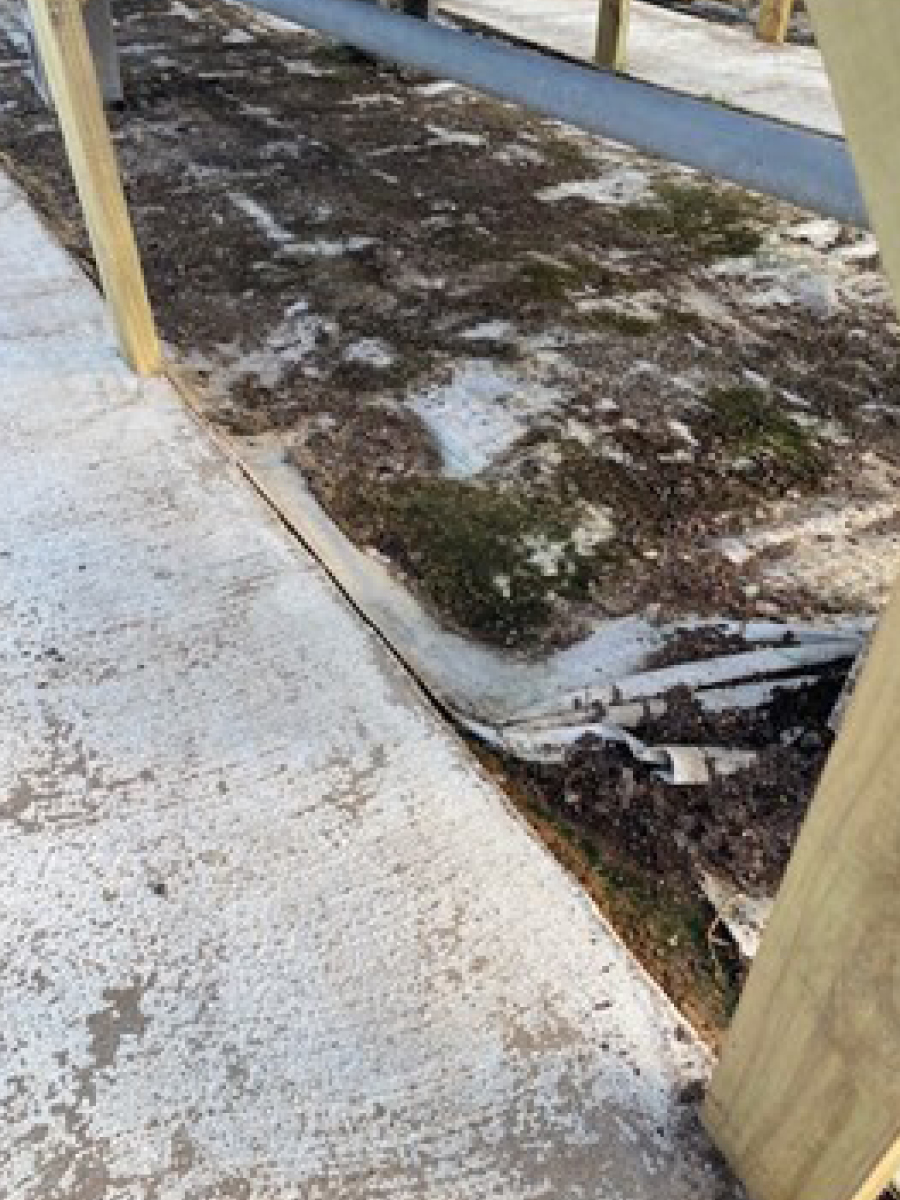
Figure 1: Algae and soil build up under propagation benching.
Maintaining Cutting Quality
Cuttings that are stressed or damaged are significantly more vulnerable to infection, making proper handling a critical part of disease management. Cuttings should be stuck as soon as possible after arrival and held under cool, moist conditions if delays cannot be avoided. Sensitive crops should be given priority. Geranium cuttings, for example, are prone to ethylene exposure in transit and often yellow quickly, so they should always be stuck first. A post-sticking spray of Fascination at 2 ppm, applied with CapSil, helps reduce yellowing, but applications should be light enough to avoid runoff into the media, which may slow root development. Reducing stress at this early stage directly lowers disease susceptibility.
Key Diseases in Propagation
The pathogens most frequently encountered on propagation benches include Botrytis, Phytophthora, Rhizoctonia, and several bacterial diseases. Preventative fungicide applications can provide meaningful protection. Empress Intrinsic, Pageant Intrinsic, and Mural are broad spectrum options well suited for spray or “sprench” applications and contain strobilurin-based fungicides, which have been shown to enhance rooting in a range of species. If looking to integrate a different MOA 7+11 option, Broadform provides additional Botrytis control but is labeled for spray only.
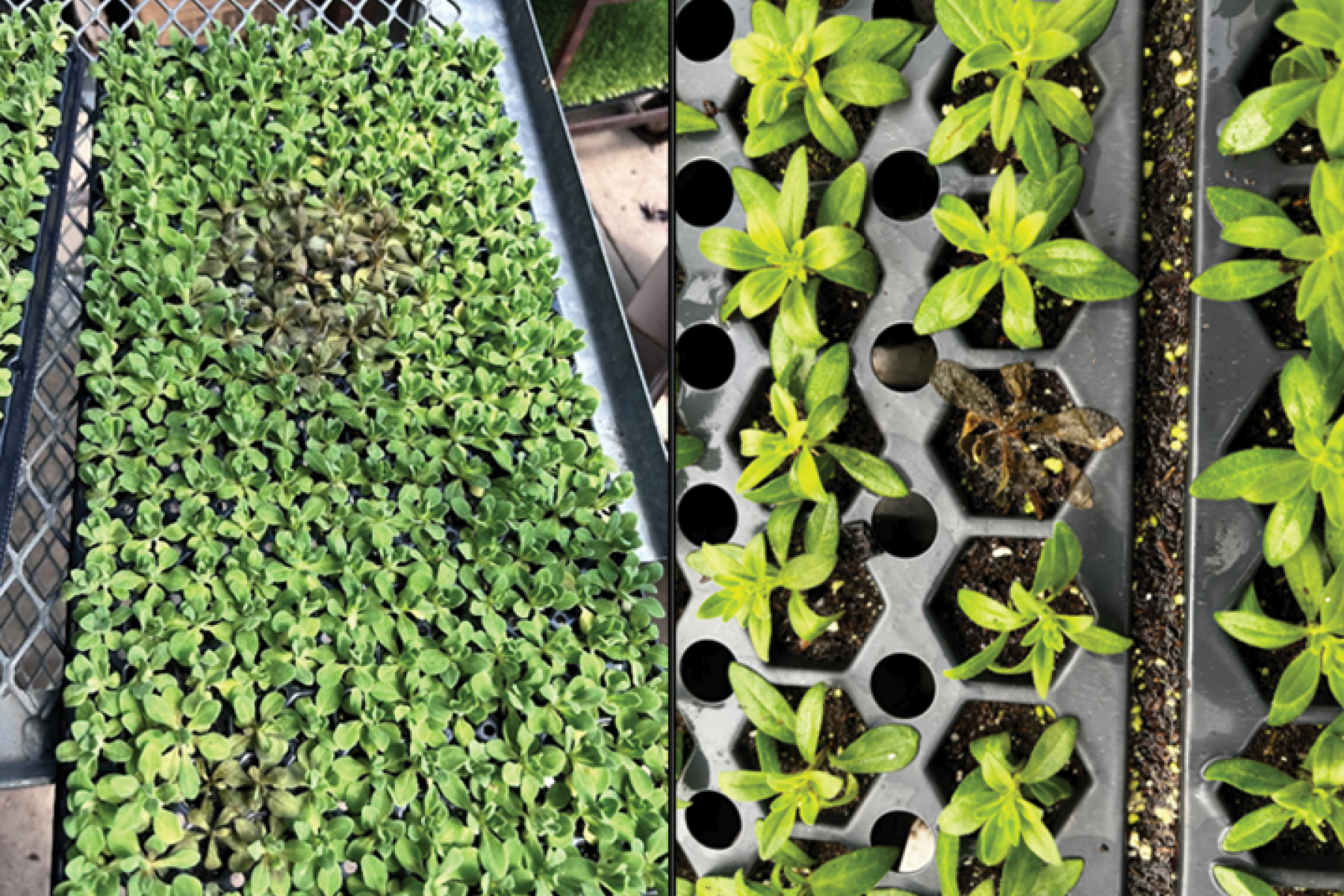
Figure 2: Rhizoctonia (left) and Botrytis (right) blight on Petunia & Calibrachoa liners.
Stem Cankers and Complexes
Stem cankers are often associated with a Botrytis and Rhizoctonia disease complex (Figure 2). The strobilurin fungicides listed above offer strong control of both pathogens. Additional rotation partners include Affirm, Cease, Palladium, Postiva, Triathlon BA, and Stargus. Sprench or drench applications are particularly effective in propagation due to the small plant size and the need for thorough coverage. Broadform and Palladium are exceptions, as both are labeled for
Managing Phytophthora
Phytophthora can progress rapidly in propagation, making early recognition essential. Characteristic symptoms include bleached or necrotic tissue that advances from the stem or petiole into the leaf (Figure 3). Petunias and calibrachoa are especially susceptible and warrant close monitoring. Segovis provides excellent control and offers several weeks of protection from a single spray or drench application. Phosphonate products such as Fosphite and Phostrol are also effective and may contribute to improved rooting. Additional rotation options include Fenstop and Segway O. All of these options are also effective for preventing downy mildew on coleus and impatiens.
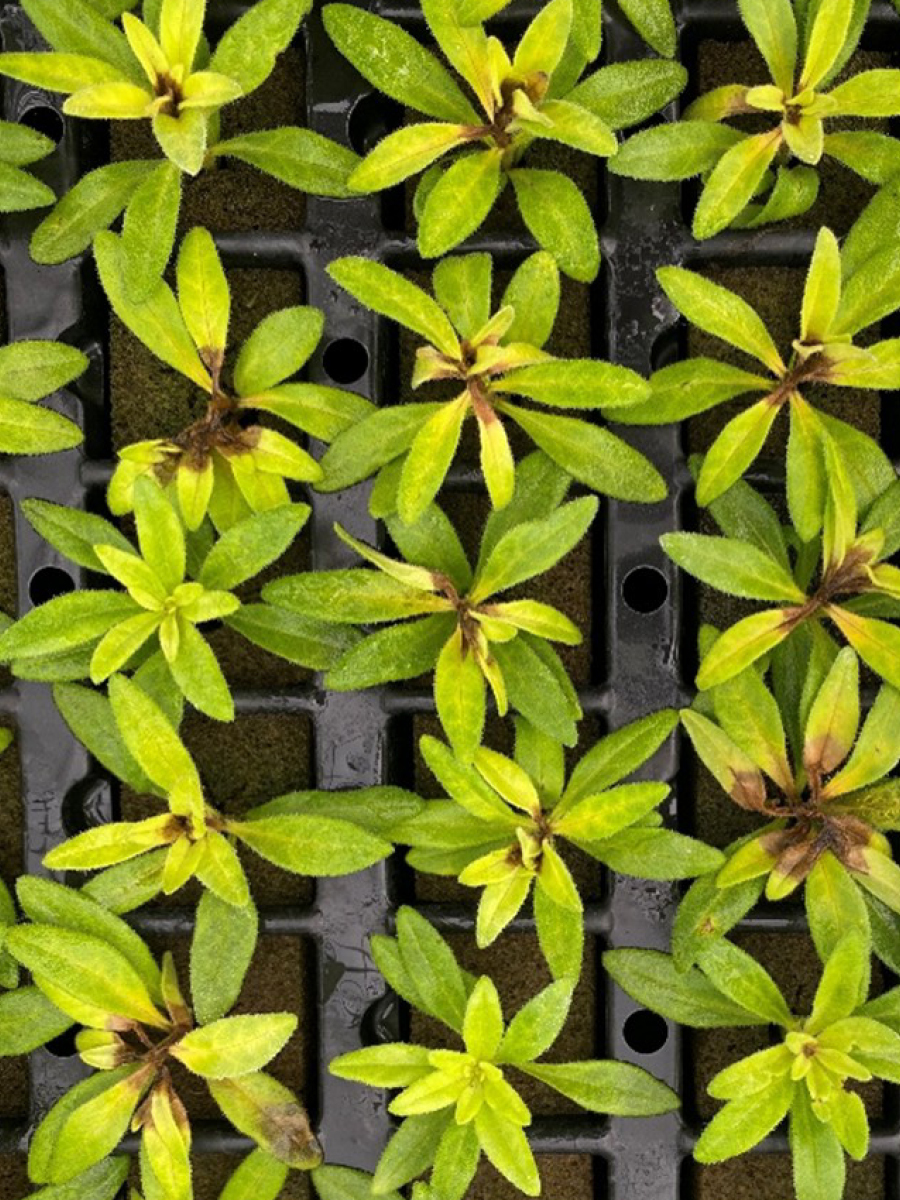
Figure 3: Aerial Phytophthora on Calibrachoa liners.
Addressing Bacterial Infections
Bacterial diseases can spread quickly under warm, humid propagation conditions. Symptoms often present as slimy areas on stems or dark, water-soaked leaf lesions, with Xanthomonas infections displaying a yellow halo around affected tissue. Immediate removal of symptomatic material and follow-up treatment is essential to prevent heavy losses. KleenGrow provides some curative activity, while Cease, Triathlon BA, or Postiva offer preventative protection. Copper-based products such as Badge SC, Camelot O, Grotto, and Phyton 35 may also be used in rotation, especially when tank mixed with Protect DF. ZeroTol 2.0 can act as dual purpose option effective for rapid surface sanitation and removal of bacterial residues.
Considerations for Pythium
Although Pythium is not commonly observed early in propagation, it can occur under certain conditions, especially when plugs or liners go through repeated drought or salt stress. When treatment is necessary, Fenstop and Segway O provide reliable control with good crop safety for young cuttings.
It is the responsibility of the applicator to read and follow all pesticide label directions. Labels may change without notice, and additional products not listed here may also be legal, safe and effective when used according to current labeling.
Note: not all products are registered in all states. Some pesticides are restricted use in some states or regions and not others. It is the responsibility of the applicator to read and follow all label directions, remembering that labels may change. Other products may be safe and effective. Rates, application methods, and edible status are detailed in our GGSPro Insecticide & Fungicide Guides. Griffin also offers the 6th Edition GGSPro Technical Reference Guide. This valuable resource outlines a wide range of pest control options and information on pollinator safety, BCA’s, scouting, weed management, plant lighting, nutrition, water quality and more!