Calcium (Ca), Magnesium (Mg), and Sulfur (S) are essential secondary nutrients for plant growth. They are secondary because plants require less of these elements for growth, compared to the primary nutrients Nitrogen (N), Phosphorus (P), and Potassium (K). ‘Secondary’ belies the importance of these nutrients, so don’t let that term push them to the back of your mind.
Calcium is essential to plants for building cell walls and membranes, supporting cell division, and regulating signaling pathways. It also plays an important role in a plant’s response to stress, including drought and salinity. Sulfur is an essential building block in the amino acids cysteine and methionine and is needed for chlorophyll production and functioning enzymes. Sulfur-containing molecules are also involved in plant stress responses. Magnesium is at the center of the chlorophyll molecule, and so is responsible for all photosynthesis. Enough said.
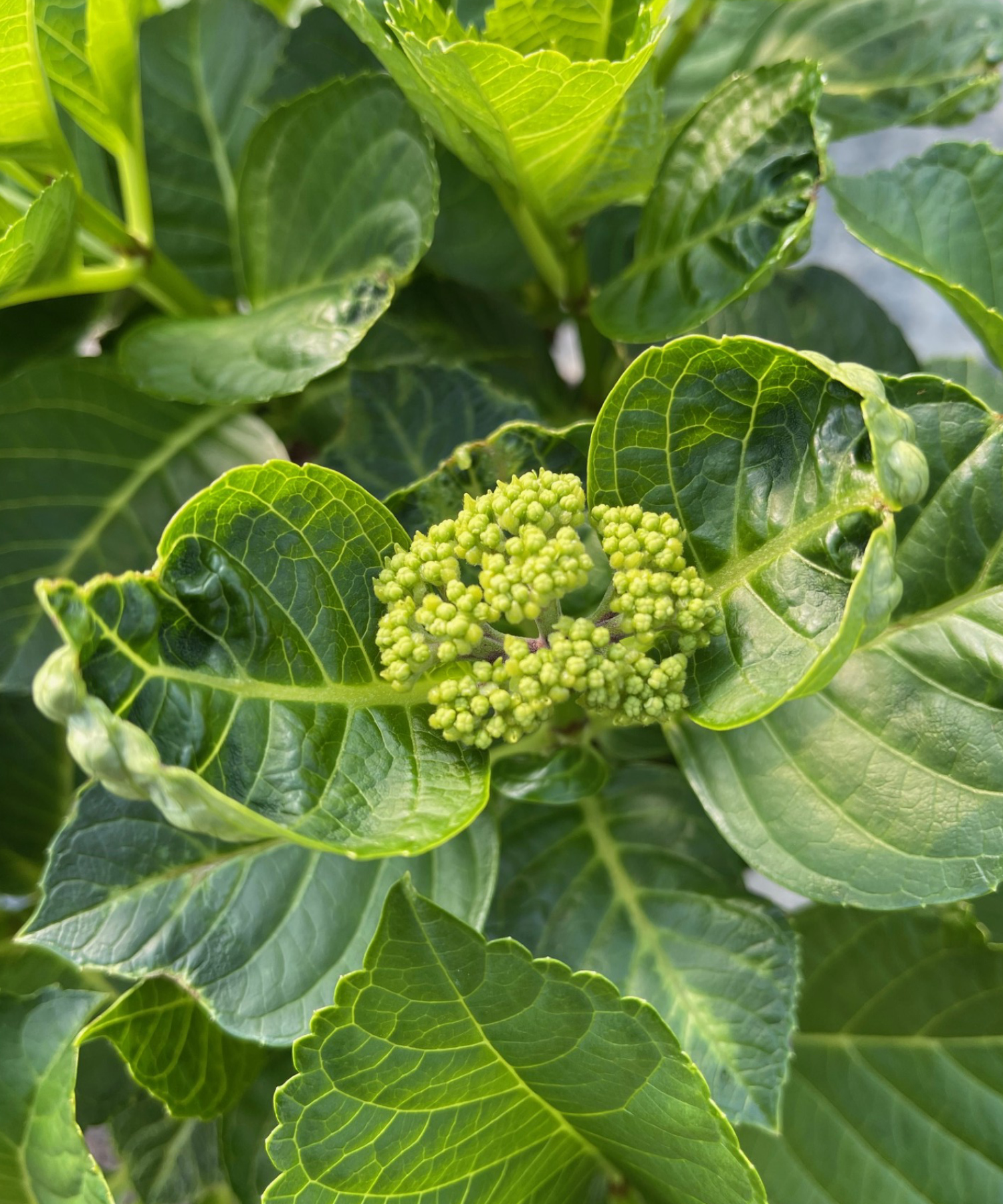
Figure 1. Calcium deficiency cupped leaves on hydrangea
There is typically plenty of calcium and magnesium in mineral soils, but almost none in potting mixes. Sulfur is also low in potting mixes. When growing in potting mixes or inert hydroponic media, the required calcium, magnesium, and sulfur must be supplied by either by the water or the fertilizer used. In contrast, the amount of each of the secondary nutrients can vary widely in irrigation sources, from zero ppm to an excess. A greenhouse water test is required to plan for the best match between nutrients and the soil pH balance.
The level of calcium varies greatly in irrigation water sources, from 0 – 100 ppm or more. Magnesium and sulfur concentrations often fall between 0 and 40 ppm. The demand for these nutrients varies among plant genera. However, some very general guidelines for the final fertilizer solution are 100 ppm for calcium, 50 ppm of magnesium and at least 25 ppm of sulfur, when nitrogen is 200 ppm. Deficiency of one or more of these three secondary nutrients is the most common nutritional issue the GGSPro group assists growers in correcting. Below is a table listing some common calcium-based fertilizers and all-purpose water soluble fertilizers. The concentration of each secondary nutrient is listed at 200 ppm nitrogen.

Figure 2. Chlorosis due to Magnesium deficiency in Thunbergia
Note that there is no sulfate in any of the calcium fertilizers. Calcium is not soluble in the presence of sulfate in stock solutions, only after dilution. Never mix a calcium-containing fertilizer with a concentrated fertilizer containing sulfate. Phosphate is similar, and is limited in calcium fertilizer formulations. When using calcium-based feeds, Epsom salts (magnesium sulfate), a common source for both magnesium and sulfur, can only be mixed in the diluted form, ready to use concentrations. This poses an added step and an additional tank that growers may not want, but the plants need.
Don’t get caught with a deficit of secondary nutrients in your crops. There are a few strategies to avoid coming up short. One is to use two stock tanks and rotate the intake tube from an all-purpose fertilizer containing added magnesium sulfate and a calcium fertilizer every few irrigations. This is recommended when only one injector is available on the line. Using two injector heads on the line allows mixing and dilution before the fertilizer stocks meet. This requires more equipment, but allows complete nutrition at every irrigation. Furthermore, using two injectors, there is less tracking (or guessing) of the rotation. That can make life easier for the grower and provide consistent nutrition for the crops. Griffin’s Irrigation Dept. can help with all your injector needs.
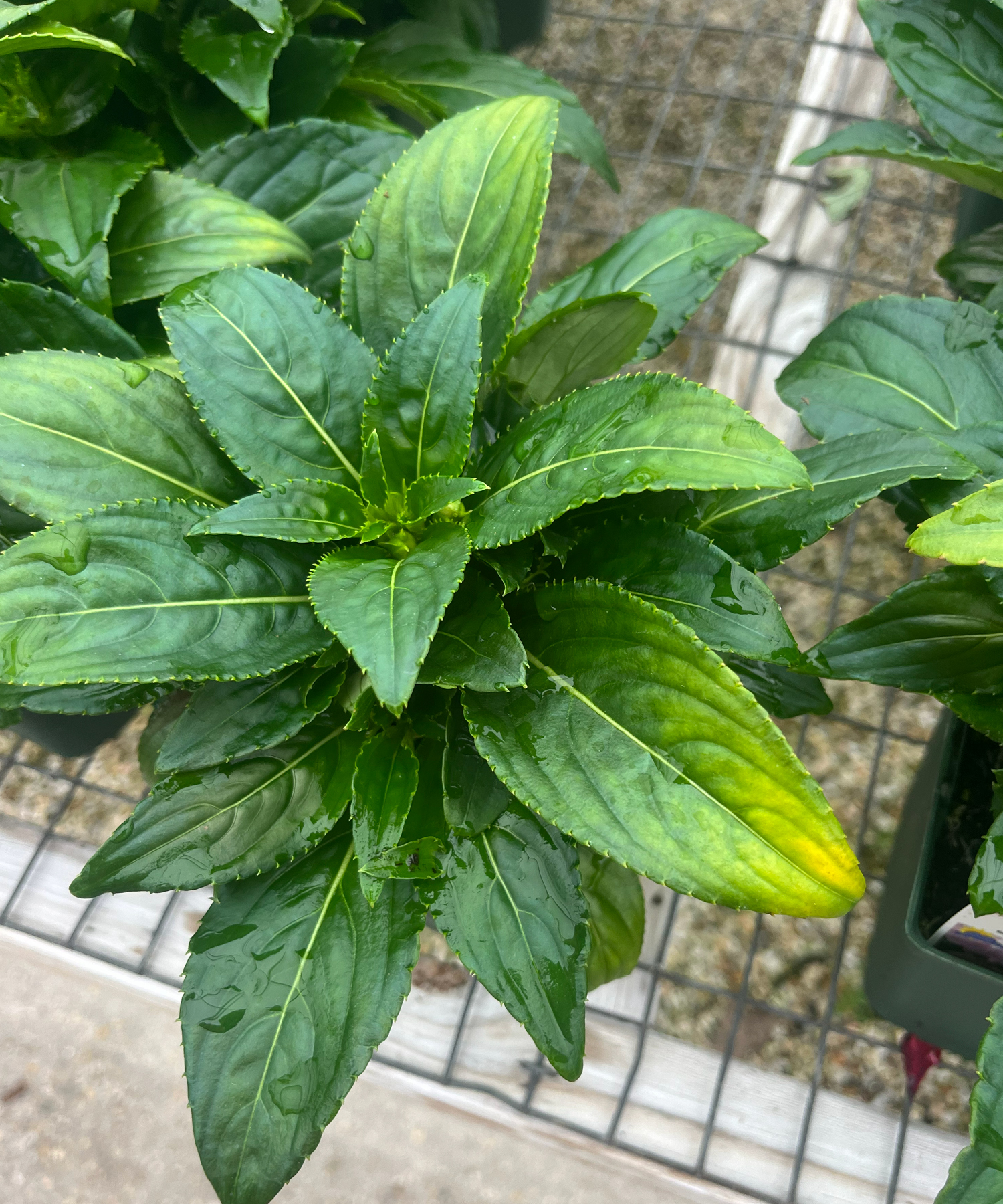
Figure 3. New Guinea Impatiens showing Sulfur deficiency on mid-aged leaves
Note, The table demonstrates the clear need for supplementing Mg and S with most of our commonly used fertilizers. Magnesium sulfate is inexpensive, widely available, and very water soluble, making it easy to add to a nutrition program. Your fertilizer is not complete without it.
| Label Percent (%) | PPM supplied at 200 ppm Nitrogen | |||||||
|---|---|---|---|---|---|---|---|---|
| Formula | Brand | Item | Ca | Mg | S | Ca | Mg | S |
| Typical Target for nutrient ppm | 100 | 50 | 25 | |||||
| Calcium Fertilizers | ||||||||
| 15-0-0 | Calcium Nitrate Various Suppliers | 18-19 | 240-253 | |||||
| 15-0-15 | Jack’s | 33627 | 10.69 | 143 | ||||
| 15-0-15 | Plantex | 31-140100 | 11.0 | 147 | ||||
| 15-0-15 | ICL Peters | 67-2340 | 5.0 | 2.0 | 67 | 27 | ||
| 15-5-15 | Jack’s | 33601 | 4.0 | 2.0 | 53 | 27 | ||
| 15-5-15 | ICL Peters | 67-2305 | 5.0 | 2.0 | 67 | 27 | ||
| 17-3-17 | ICL Peters | 67-2346 | 4.0 | 1.25 | 47 | 15 | ||
| 17-4-17 | Jacks | 33174 | 3.0 | 1.5 | 35 | 18 | ||
| 17-5-17 | Plantex | 31-140100 | 4.0 | 1.0 | 47 | 12 | ||
| General Purpose Fertilizers | ||||||||
| 15-16-17 | ICL Peters | 67-2333 | 0.1 | 1.3 | ||||
| 15-16-17 | Jacks | JP151617 | 0.117 | 1.6 | ||||
| 20-10-20 | Plantex | 31-140200 | – | |||||
| 20-10-20 | Jacks | 33615 | 0.15 | 1.5 | ||||
| 20-10-20 | ICL Peters | 67-2332 | 0.15 | 1.5 | ||||
| 21-5-20 | ICL Peters | 67-2308 | – | |||||
| 21-5-20 | Jacks | 33602 | 0.15 | 1.4 | ||||
| 21-5-20 | Plantex | 31-140306 | 0.2 | 1.9 | ||||
| Magnesium Sulfate | 14MGSUL | 9.8 | 13.0 | |||||