Controlled environment agriculture (CEA) growers are masters of precision. Nutrient recipes are dialed in, light levels are measured, irrigation timing is optimized, and environmental controls are constantly adjusted to maximize crop quality and yield.
Yet one critical area often gets overlooked until problems begin to snowball: sanitation.
In edible crop production, sanitation is not just about keeping a facility clean. It is one of the most important tools growers have to reduce pest pressure, limit disease carryover, manage algae, maintain irrigation system performance, and protect crop quality. Too often, sanitation only becomes a priority after problems show up in the form of clogged emitters, algae outbreaks, poor root health, inconsistent irrigation, or increased labor demands.
Why Sanitation Matters More in CEA
Edible crop production systems, especially hydroponic and recirculating environments, create ideal conditions for problems to spread quickly. Warm temperatures, constant moisture, nutrient-rich environments, and recirculating water systems are excellent for crop growth, but they also favor algae, biofilm, and plant pathogens.
Unlike ornamental production, edible growers often have fewer intervention tools available once a problem becomes established. This makes prevention even more important. Once pathogens, insects, mites, or algae gain a foothold, control becomes labor intensive and expensive.
That is why sanitation between crops remains one of the best investments a grower can make. A strong sanitation program helps reduce pest carryover, minimize algae growth, limit biofilm development, and give the next crop a cleaner start.
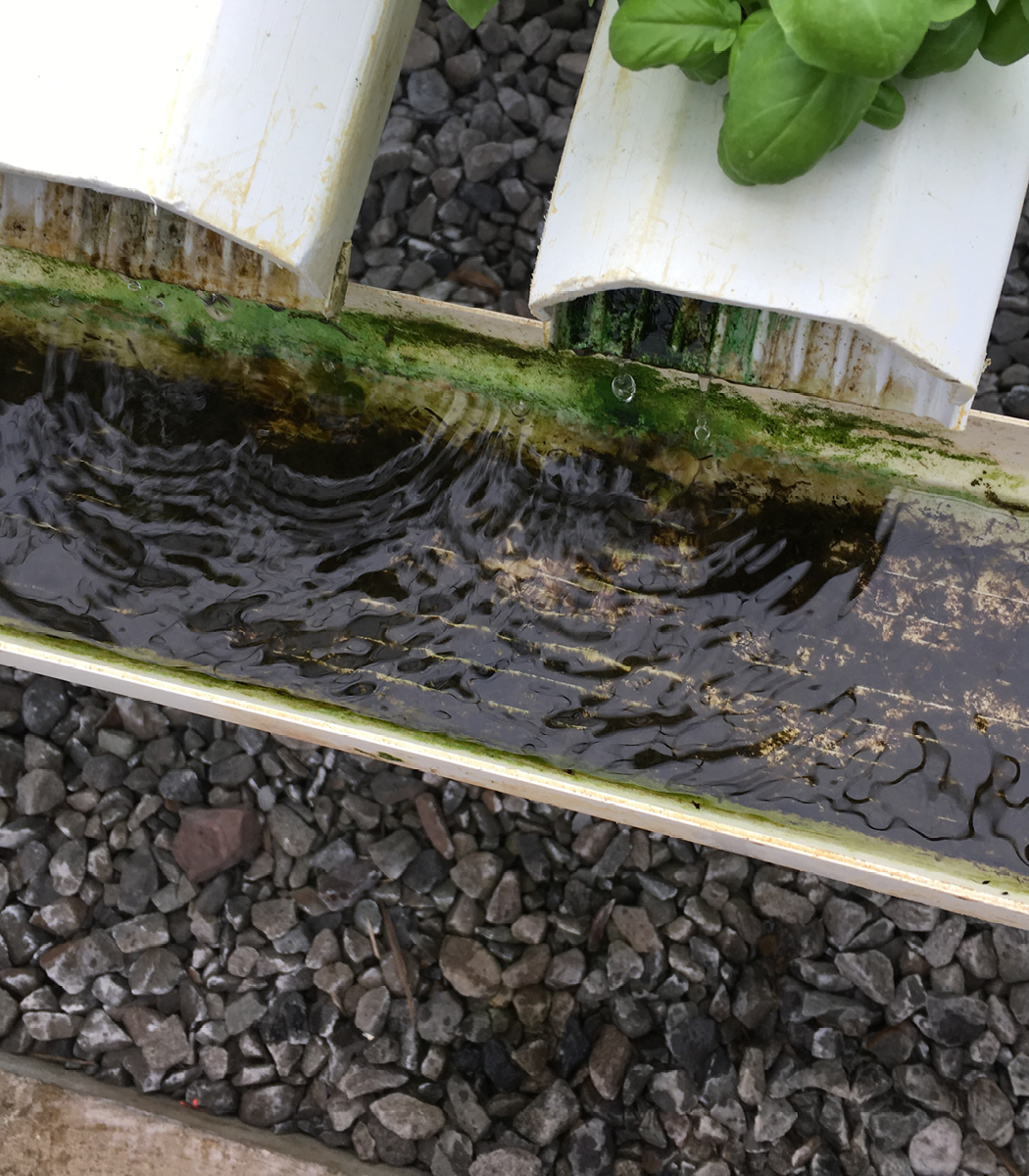
Figure 1. Debris accumulation and algae development in NFT Basil System
Sanitation Is a Three-Step Process
One of the biggest mistakes growers make is assuming sanitation begins and ends with a disinfectant. In reality, effective sanitation is a three-step process: physical cleaning, chemical cleaning, and sanitizing. Skipping any of these steps reduces effectiveness.
Step 1: Physical Cleaning
Before reaching for a cleaner or sanitizer, physically remove debris.
Plant material, algae, substrate residue, roots, and crop waste should be removed from trays, floors, benches, pots, equipment, and growing areas. If reusing containers, scrubbing first dramatically improves sanitation results later.
Sanitizers only work where they make direct contact. Dirt and organic buildup create barriers that prevent products from reaching target surfaces.
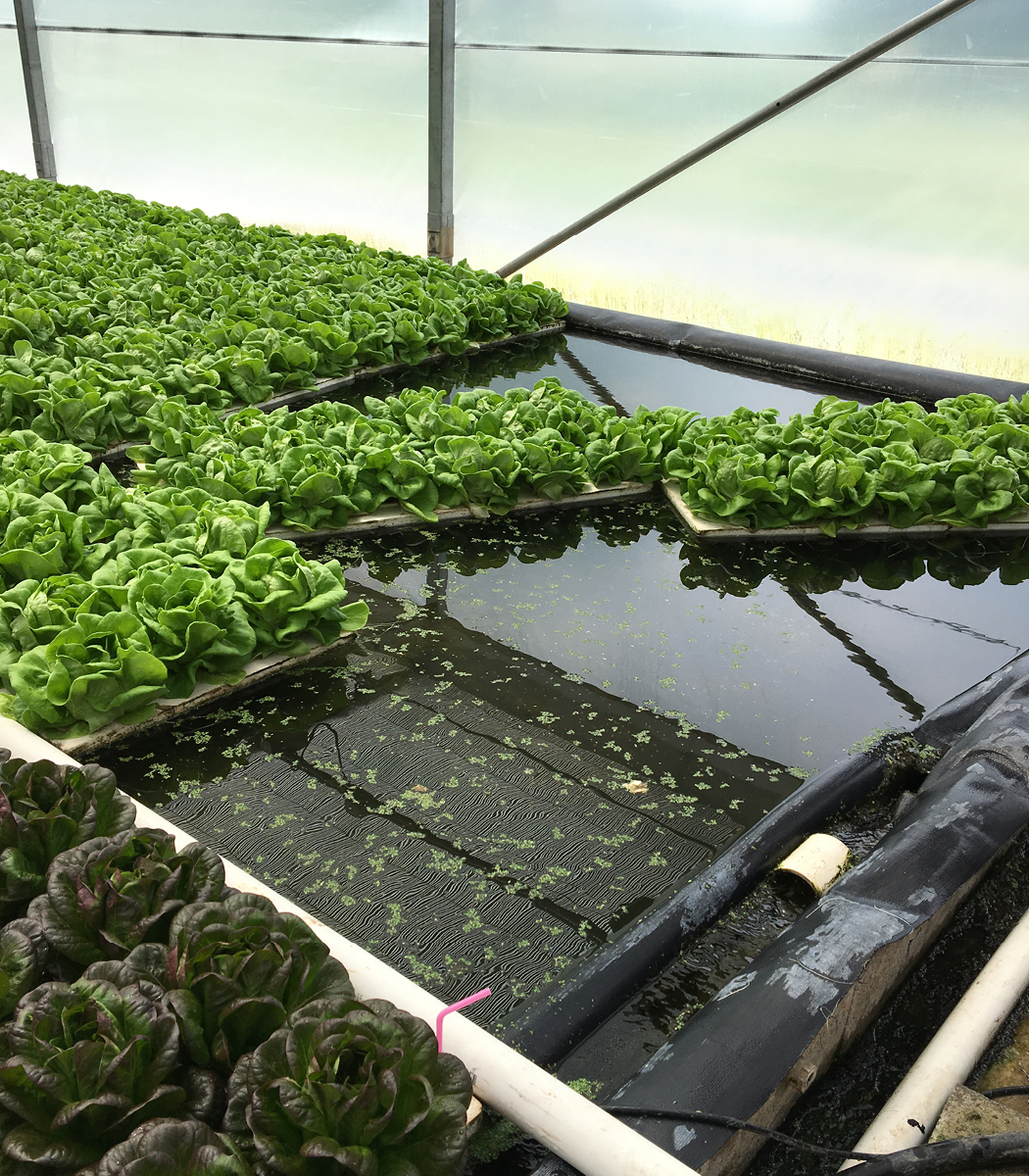
Figure 2. Algae and aquatic weed growth in hydroponic lettuce raft system
Step 2: Chemical Cleaning
After debris is removed, chemically clean surfaces to remove mineral deposits, hidden residues, films, and buildup.
This step is especially important in hydroponic systems, reservoirs, troughs, greenhouse structures, irrigation systems, and production areas where algae and organic matter accumulate over time.
Acid and alkaline cleaners both have a role depending on the environment. Products such as Strip-It PRO or GreenClean Acid Cleaner can help remove buildup in greenhouse structures and irrigation systems, while alkaline cleaners such as AgH PRO or GreenClean Alkaline Cleaner may fit warehouse or packing room sanitation better. Proper rinsing after cleaning is essential, as residue left behind can trap dirt and reduce effectiveness.
Note: Chemical cleaners should be used between production cycles and should never contact edible crops. Always ensure that staff utilize appropriate personal protective equipment (PPE). Read the product labels for required PPE.
The Hidden Problem: Biofilm
If there is one issue many CEA growers underestimate, it is biofilm.
Biofilm is a buildup of bacteria and organic material that develops inside irrigation lines. Over time, it creates hiding places for pathogens, contributes to algae development, restricts water movement, and reduces irrigation uniformity.
In many cases, clogged drippers or lines are not caused by hard water or debris. Biofilm is often the hidden culprit.
Beyond emitter clogging, biofilm can harbor pathogens and contribute to recurring problems in recirculating irrigation systems. In hydroponic edible production, where irrigation consistency directly impacts yield and quality, this can quickly become costly.
End-of-crop irrigation line cleaning is one of the best ways to reset a system. Treating irrigation lines between crops can help reduce pathogen pressure, improve water movement, and restore irrigation uniformity before the next production cycle begins.
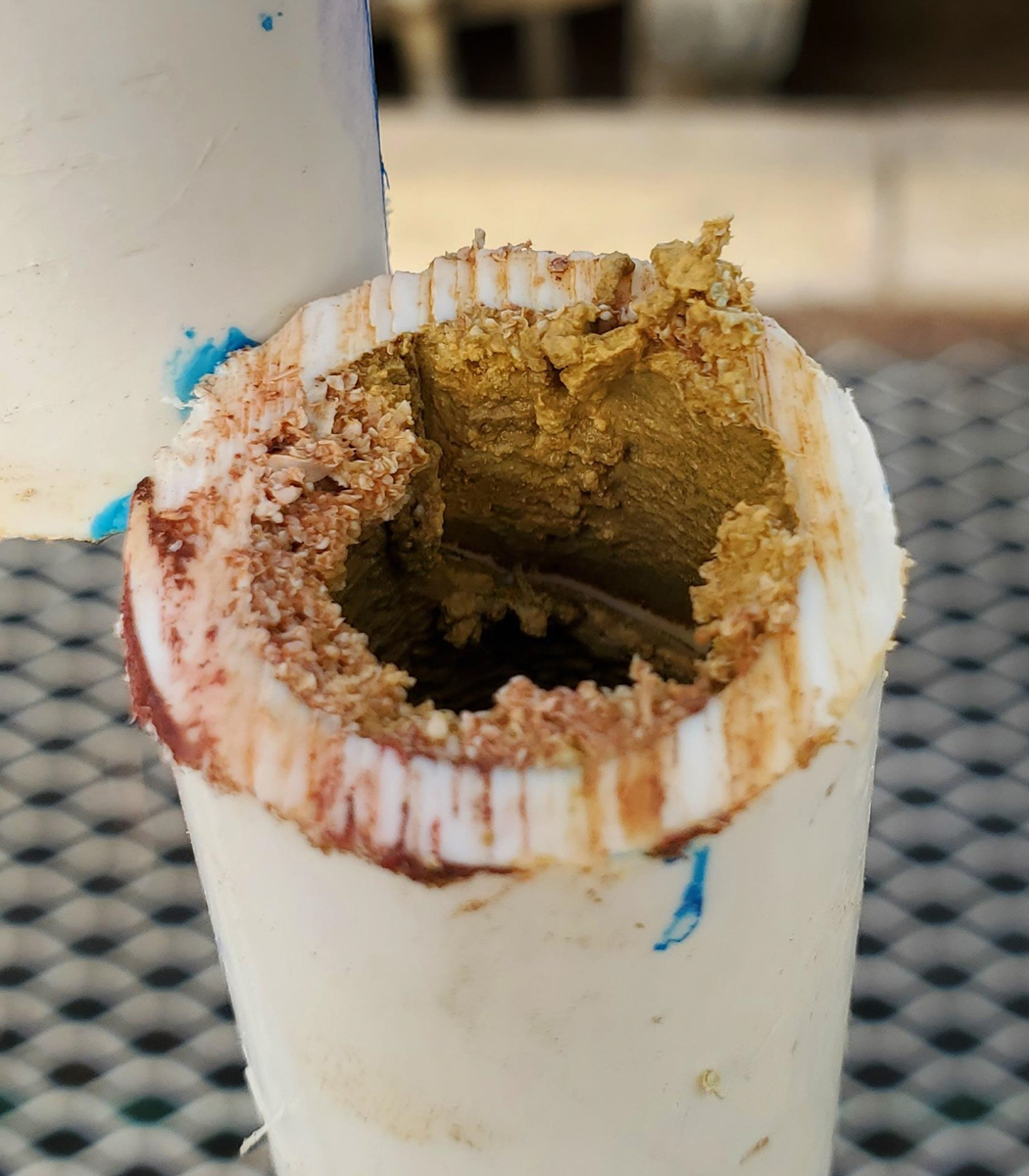
Figure 3. Biofilm development within irrigation lines
Sanitizing: The Final Step
Once surfaces and systems have been physically and chemically cleaned, sanitizing can begin.
Sanitizers are the final step and should not be rinsed off after application. Oxidizing sanitizers such as ZeroTol 2.0 and SaniDate 5.0 are commonly used because they leave behind minimal residue and can be applied across hard surfaces, irrigation systems, troughs, and reusable production materials. For hard surfaces not in crop contact, products such as KleenGrow may provide additional residual activity.
Many growers also benefit from maintenance programs to suppress algae and biofilm development between major cleanings. Depending on the irrigation setup and fertility program, products such as EcoClean, ZeroTol 2.0, or SaniDate 12.0 may help maintain cleaner water delivery systems over time.
It is important to remember that sanitation is not sterilization. The goal is not to eliminate every microorganism from a facility. Instead, sanitation is about lowering risk and reducing opportunities for pests, pathogens, algae, and biofilm to establish in production systems.
Clean Before Problems Start
The strongest sanitation programs are proactive rather than reactive. Growers who consistently clean and sanitize between crops often spend less time troubleshooting recurring problems and more time focused on crop quality, yield, and operational efficiency.
In edible crop production, problems rarely stay small for long. A minor algae issue can quickly lead to clogged emitters, inconsistent irrigation, and added labor. Biofilm inside irrigation systems can quietly harbor pathogens and reduce water movement. Even small sanitation shortcuts at the end of a crop cycle can create avoidable challenges for the next one.
A successful sanitation program does not have to be complicated. Remove debris. Properly clean surfaces and irrigation systems. Follow through with sanitizing. The payoff is a cleaner reset between crops and greater confidence that the next production cycle starts on the right foot.
Clean before you sanitize. Stay ahead of biofilm. Reset systems between crops. And sleep a little better knowing your production environment is working for you, not against you.
Note, not all products are registered in all states. Some pesticides are restricted use in some states or regions and not others. It is the responsibility of the applicator to read and follow all label directions, remembering that labels may change. Other products may be safe and effective. Rates, application methods, and edible status are detailed in our GGSPro Insecticide & Fungicide Guides. Griffin also offers the 6th Edition GGSPro Technical Reference Guide in English and 5th Edition Spanish version. This valuable resource outlines a wide range of pest control options and information on pollinator safety, BCA’s, scouting, weed management, plant lighting, nutrition, water quality and more!